

What are the chemical compositions of grinding steel balls?
Hey there! As a supplier of Grinding Steel Balls, I often get asked about the chemical compositions of these little powerhouses. So, I thought I'd take a deep dive into this topic and share what I've learned over the years.
First off, let's talk about why the chemical composition of grinding steel balls matters. The performance of these balls in a grinding process is heavily influenced by what they're made of. Different chemical elements can enhance properties like hardness, wear resistance, and toughness, which are crucial for getting the most out of your grinding operations.
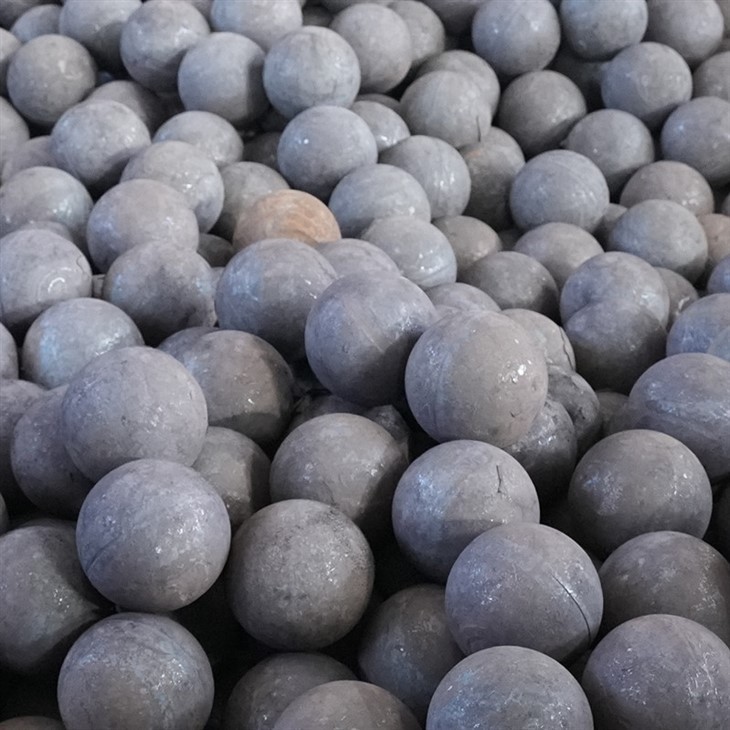

The most common elements found in grinding steel balls are carbon (C), manganese (Mn), silicon (Si), chromium (Cr), and nickel (Ni). Each of these elements plays a unique role in determining the ball's characteristics.
Carbon is a key player in steel. It's what gives steel its hardness. The more carbon there is, the harder the steel becomes. For grinding steel balls, a medium to high carbon content is usually preferred. This helps the balls withstand the high impact and abrasion they encounter during the grinding process. A typical carbon content in grinding steel balls can range from 0.6% to 1.2%.
Manganese is another important element. It helps to improve the strength and toughness of the steel. It also plays a role in deoxidizing the steel during the manufacturing process. Manganese can be present in grinding steel balls at levels of around 0.5% to 1.5%.
Silicon is used to increase the strength and hardness of the steel. It also helps to improve the steel's resistance to oxidation. Silicon content in grinding steel balls is typically around 0.2% to 0.5%.
Chromium is a game-changer when it comes to wear resistance. It forms a hard, protective layer on the surface of the steel ball, which helps to reduce wear and tear. Chromium can be present in grinding steel balls at levels of 0.5% to 3%.
Nickel is added to improve the toughness and ductility of the steel. It also helps to enhance the steel's resistance to corrosion. Nickel content in grinding steel balls is usually around 0.1% to 1%.
Now, let's talk about how these elements work together. The combination of these elements creates a balance between hardness, wear resistance, and toughness. For example, a ball with a high carbon content will be very hard but may be brittle. Adding elements like manganese and nickel can help to improve the ball's toughness and reduce the risk of cracking.
The manufacturing process also plays a crucial role in determining the final properties of the grinding steel balls. Heat treatment, for example, can be used to further enhance the hardness and wear resistance of the balls. By carefully controlling the temperature and time during the heat treatment process, we can optimize the properties of the steel.
As a supplier of Grinding Steel Ball, I understand the importance of getting the chemical composition right. That's why we use high-quality raw materials and state-of-the-art manufacturing processes to ensure that our balls meet the highest standards.
In addition to grinding steel balls, we also offer Grinding Cylpeb. These are cylindrical grinding media that are often used in ball mills. The chemical composition of grinding cylpebs is similar to that of grinding steel balls, but the shape and size can have an impact on their performance.
So, if you're in the market for grinding media, whether it's grinding steel balls or grinding cylpebs, we've got you covered. Our products are designed to provide excellent performance and durability, helping you to get the most out of your grinding operations.
If you're interested in learning more about our products or have any questions about the chemical compositions of grinding steel balls, don't hesitate to reach out. We're here to help you find the right solution for your needs. Whether you're a small-scale operation or a large industrial facility, we can work with you to ensure that you get the best grinding media for your application.
In conclusion, the chemical composition of grinding steel balls is a complex but fascinating topic. By understanding the role of each element and how they work together, you can make informed decisions about the grinding media you use. And if you're looking for a reliable supplier of high-quality grinding steel balls and cylpebs, look no further. We're here to provide you with the products and support you need to succeed.
References:
- Smith, J. (2020). The Chemistry of Steel. Metallurgy Journal, 15(2), 34-45.
- Johnson, A. (2019). Grinding Media: Properties and Performance. Industrial Grinding Review, 22(3), 67-78.
- Brown, C. (2018). The Role of Chemical Elements in Grinding Steel Balls. Materials Science Quarterly, 12(4), 56-63.