



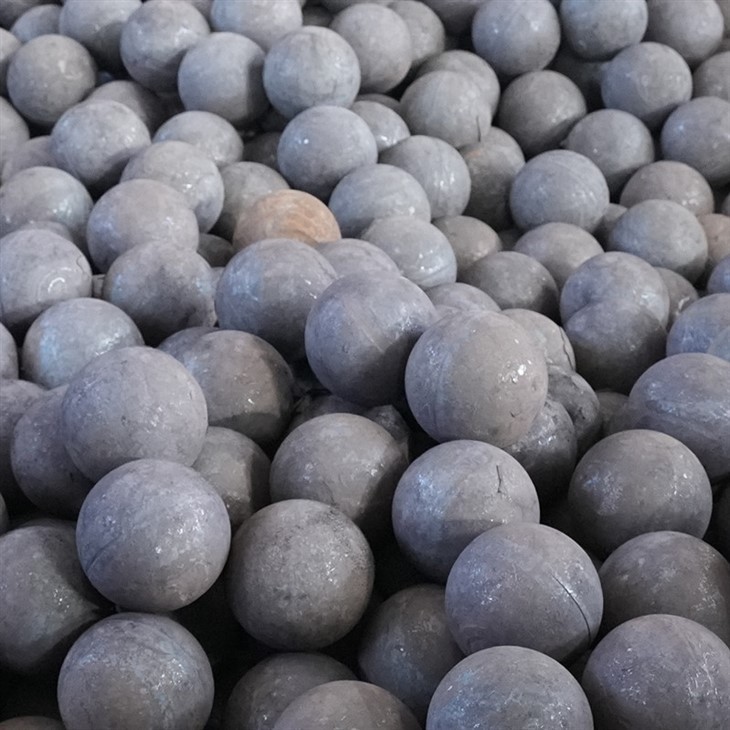
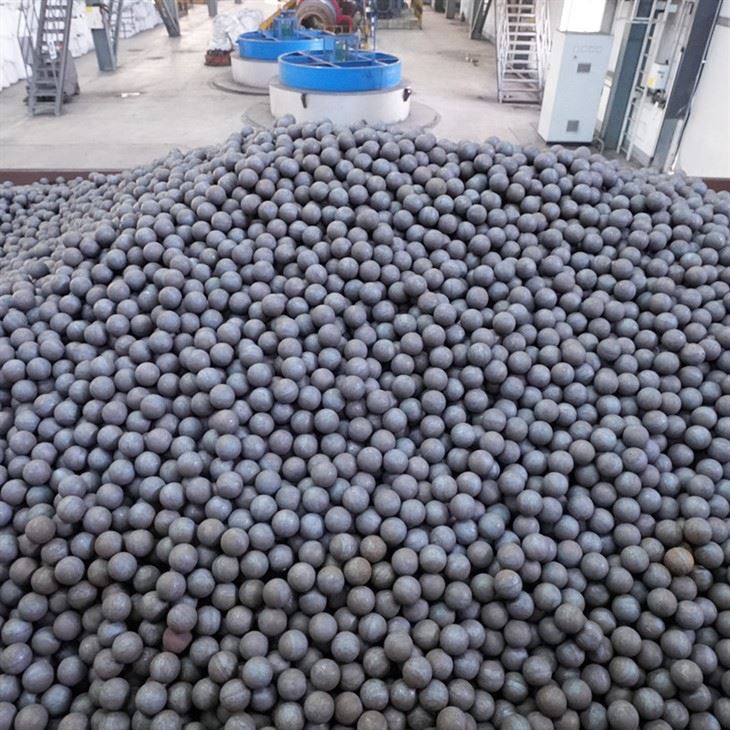
Grinding Steel Ball
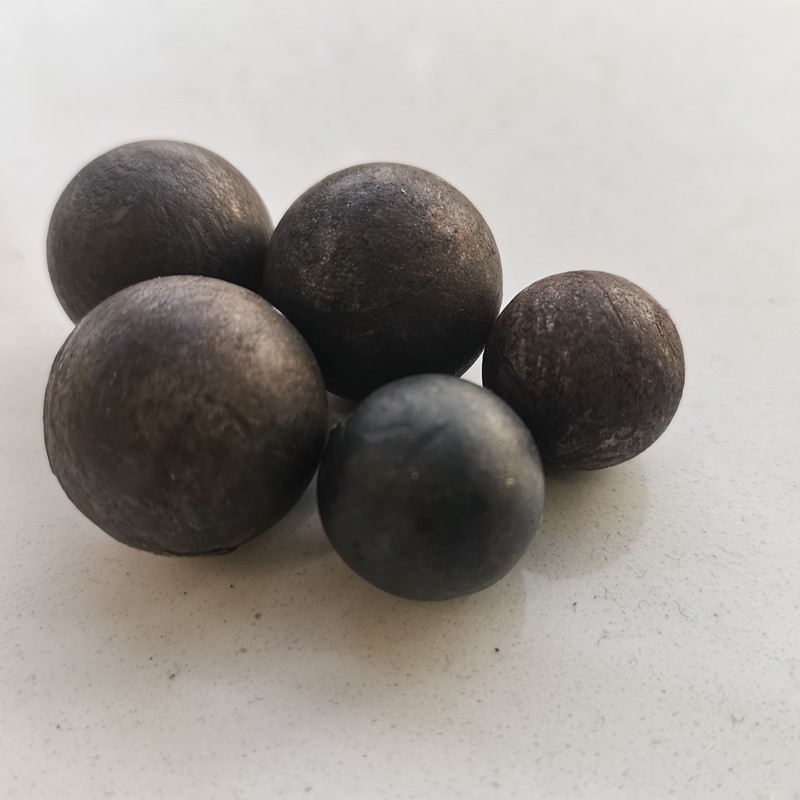
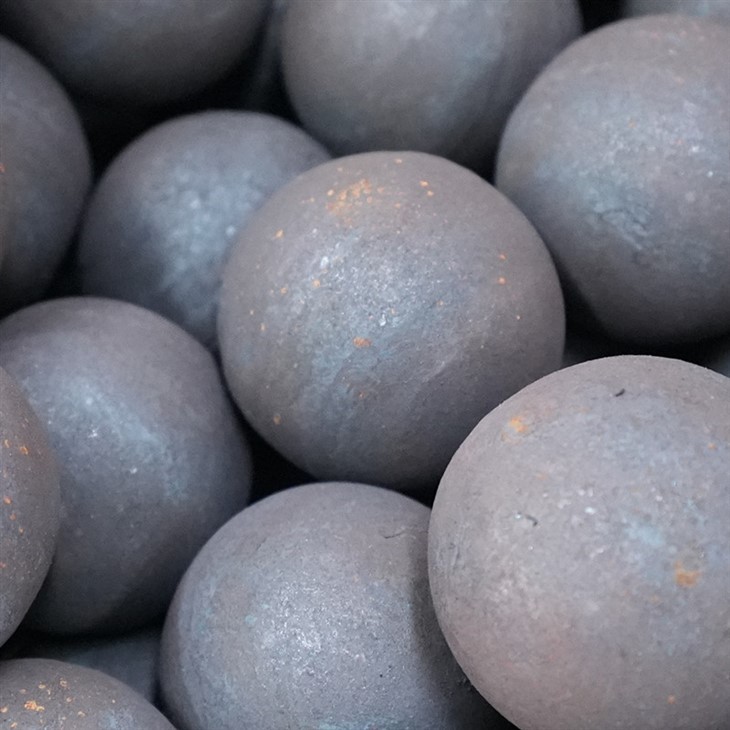
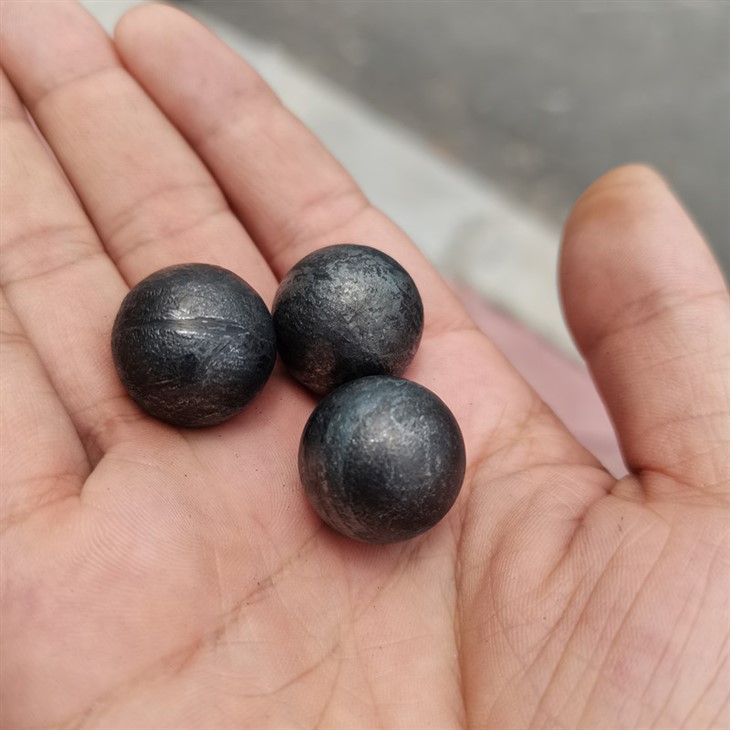
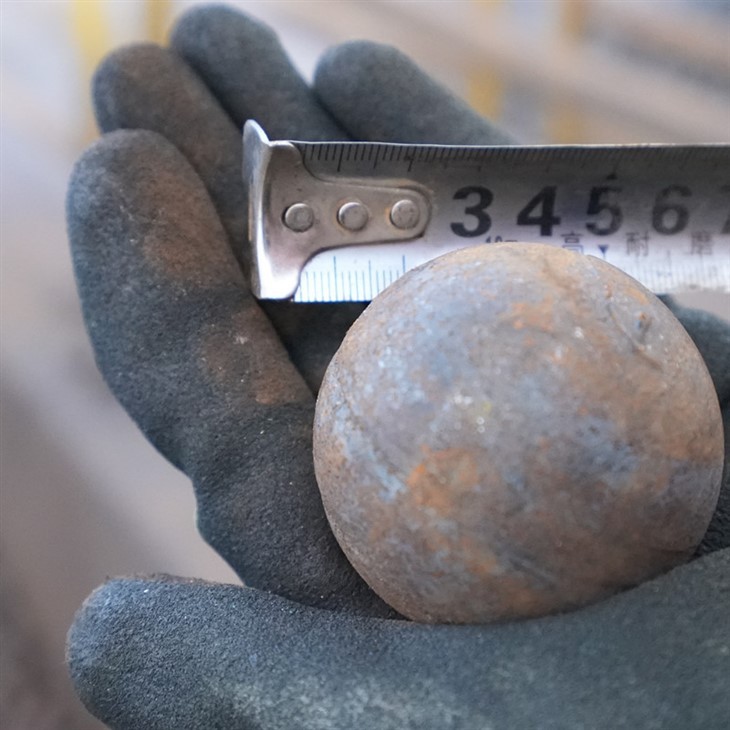
Grinding steel balls are spherical media for coarse and fine grinding in ball mills. Rolled from 65Mn, B2, B3 or GCr15 steel, they provide point contact for high impact energy, with surface hardness of 60 65 HRC and uniform wear resistance.
Product Introduction
Our grinding steel balls are produced using our proprietary skew-rolling mills. We carefully select round steel bars to ensure material purity and a dense internal microstructure. Following the rolling process, the balls undergo quenching and tempering to achieve an optimal hardness profile: high surface wear resistance combined with excellent core toughness, ensuring superior resistance to both impact and breakage. In a comparative test conducted at a copper mine in Inner Mongolia, our 80mm steel balls outperformed forged steel balls; our product demonstrated a 15% lower wear rate and extended the grinding time between recharges by 200 hours. These results validate the effectiveness of our skew-rolling and heat-treatment technologies in enhancing wear resistance and service life.
Specifications
|
Diameter |
20mm - 120mm |
|
Surface Hardness |
60-65 HRC |
|
Core Hardness |
55-60 HRC |
|
Impact Toughness |
12-35 J/cm² |
|
Material |
65Mn, B2, B3, or GCr15 |
|
Sphericity Tolerance |
≤0.5mm |
Key Advantages
Fully Controlled Process
Produced on our proprietary skew-rolling mills, we manage the entire workflow-from equipment manufacturing to final product output-ensuring consistent quality.
01
Superior Internal Quality
The skew-rolling process eliminates porosity and voids, resulting in a uniform grain structure; the balls offer high reliability and do not crack or fracture during operation.
02
Balanced Hardness and Toughness
Quenching and tempering treatments ensure high surface hardness alongside excellent core toughness. Compared to cast balls, the wear rate is reduced by 30%; compared to forged balls, toughness is increased by 10%–15%, offering an optimal balance of wear resistance and impact resistance.
03
Flexible material selection
Materials such as 65Mn, B2, B3, or GCr15 can be selected based on specific operating conditions to meet diverse application requirements.
04
Significant practical benefits
After switching from cast balls to our products, a cement plant in Hebei saved approximately $12,000 annually on grinding media alone.
05
Hot-Rolling Process for Grinding Steel Balls
Material Preparation: Round steel bars are cut into billets according to process specifications.
Induction Heating: Billets are heated to 1050–1100°C for uniform through-heating.
Skew Rolling: Balls are formed in a single pass using our proprietary skew rolling mills.
Quenching: Rapid cooling to achieve a high-hardness surface layer.
Tempering: Adjusts core toughness to balance hardness and impact resistance.
Inspection & Warehousing: Batch-based hardness testing and 2-meter drop tests (five drops); products are approved only if free of cracks.
Product Applications
Serving as the core grinding medium for ball mills, this product is primarily used for material pulverization in sectors such as mining and metallurgy, cement production, power generation, and the chemical industry. It delivers excellent grinding performance in both wet and dry operations.
To accommodate varying mill diameters, rotational speeds, and material characteristics, we offer a wide range of sizes (φ20–φ100mm). This helps customers optimize grinding media grading schemes, ensuring target fineness while reducing costs and increasing efficiency.
Packaging Services

We offer flexible packaging solutions for grinding steel balls, typically utilizing bulk bags (approx. 1,000 kg/bag) or steel drums (approx. 850–900 kg/drum). For export orders, we generally secure the drums on wooden pallets or pack them in reinforced wooden crates to ensure safety during long-distance transport. Each package is clearly marked with product specifications, quantities, and handling/storage labels, and includes a packing list and certificate of conformity. We support both sea and land transport, and packaging methods can be customized to meet specific customer requirements.
FAQ
Hot Tags: grinding steel ball, China grinding steel ball manufacturers, suppliers, factory, Grinding Cylpeb, forged steel grinding balls, grinding media cylpebs, cast iron grinding cylpebs, Steel Cylpebs, high chrome steel grinding media balls
You Might Also Like


Send Inquiry
