

How does a flexible grid coupling compare to other types of couplings in terms of reliability?
When it comes to power transmission in industrial machinery, couplings play a crucial role in connecting two shafts and transmitting torque. There are various types of couplings available in the market, each with its own set of features and advantages. As a supplier of Flexible Grid Couplings, I have witnessed firsthand the performance and reliability of this particular type of coupling. In this blog, I will compare the Flexible Grid Coupling with other types of couplings in terms of reliability and explain why it stands out as a superior choice in many applications.
Understanding the Basics of Couplings
Before delving into the comparison, let's briefly understand the different types of couplings commonly used in industrial applications. Couplings can be broadly classified into rigid couplings and flexible couplings. Rigid couplings are used when precise alignment of the shafts is required, and there is no need for any flexibility. On the other hand, flexible couplings are designed to accommodate misalignment between the shafts, which can occur due to various factors such as thermal expansion, vibration, or installation errors.
Some of the commonly used flexible couplings include GL Type Chain Coupling, Cross Shaft Universal Coupling, and the Flexible Grid Coupling. Each of these couplings has its own unique design and characteristics, which determine their suitability for different applications.
Reliability Factors in Couplings
Reliability is a critical factor when selecting a coupling for an industrial application. A reliable coupling ensures smooth power transmission, reduces downtime, and minimizes maintenance costs. The following are some of the key factors that contribute to the reliability of a coupling:
- Misalignment Tolerance: One of the primary functions of a flexible coupling is to accommodate misalignment between the shafts. The ability of a coupling to tolerate different types of misalignment, such as angular, parallel, and axial misalignment, is crucial for its reliability. A coupling that can effectively handle misalignment without causing excessive stress or wear on the components is more likely to have a longer service life.
- Torque Transmission Capacity: The coupling must be able to transmit the required torque without slipping or failing. The torque transmission capacity of a coupling depends on its design, material, and size. A coupling with a higher torque rating is generally more reliable in applications where high torque is required.
- Vibration Damping: Vibration is a common issue in industrial machinery, which can cause premature wear and failure of components. A coupling that can effectively dampen vibrations helps to reduce stress on the shafts and other connected components, thereby improving the overall reliability of the system.
- Maintenance Requirements: The ease of maintenance is an important consideration when evaluating the reliability of a coupling. A coupling that requires minimal maintenance and has a long service life is more cost - effective and reliable in the long run.
Comparison of Flexible Grid Coupling with Other Couplings
Flexible Grid Coupling vs. GL Type Chain Coupling
The GL Type Chain Coupling consists of two sprockets connected by a chain. While it is a simple and cost - effective solution for power transmission, it has some limitations in terms of reliability.
- Misalignment Tolerance: The GL Type Chain Coupling has limited misalignment tolerance compared to the Flexible Grid Coupling. It can only accommodate a small amount of angular and parallel misalignment. In contrast, the Flexible Grid Coupling can handle larger amounts of misalignment, making it more suitable for applications where misalignment is likely to occur.
- Vibration Damping: Chain couplings are not very effective in damping vibrations. The chain can transmit vibrations from one shaft to the other, which can cause increased wear and noise. The Flexible Grid Coupling, on the other hand, has excellent vibration damping properties due to the flexible grid element, which helps to reduce vibrations and protect the connected components.
- Maintenance Requirements: Chain couplings require regular lubrication and tension adjustment to ensure proper operation. The chain can also wear out over time, requiring replacement. The Flexible Grid Coupling has a simpler design and requires less maintenance. The grid element is self - lubricating and has a long service life, reducing the need for frequent maintenance.
Flexible Grid Coupling vs. Cross Shaft Universal Coupling
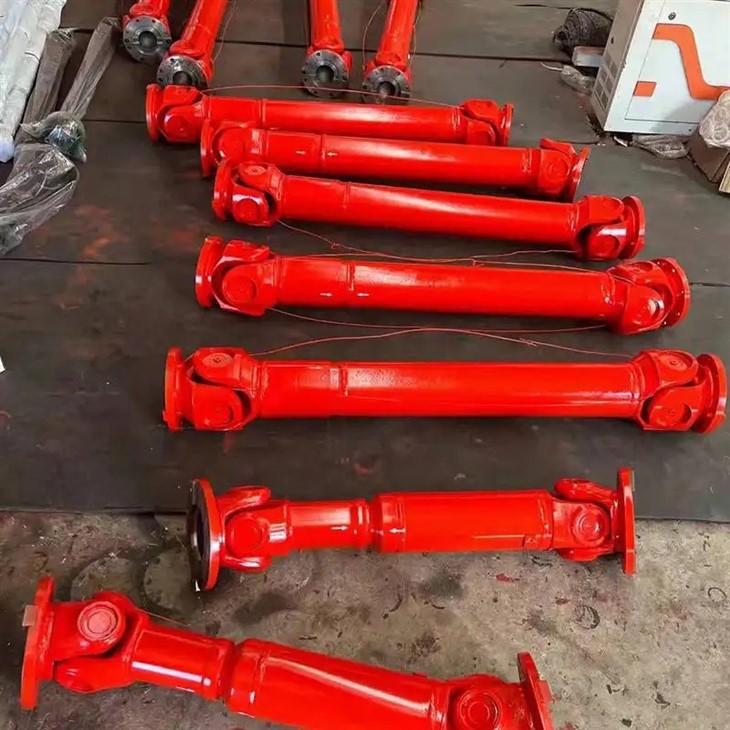
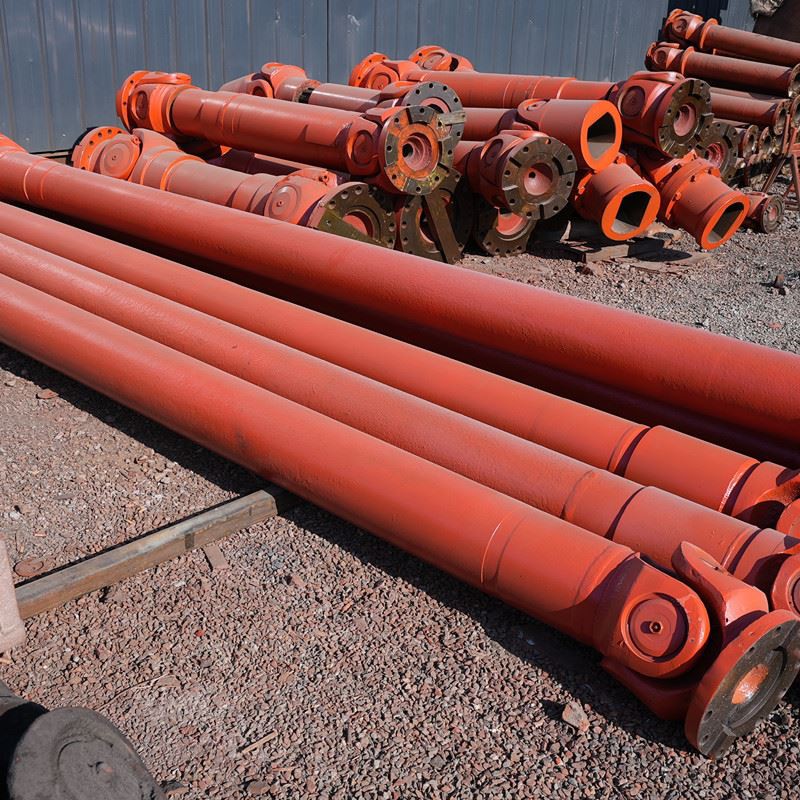
The Cross Shaft Universal Coupling is commonly used in applications where high angular misalignment needs to be accommodated.
- Misalignment Tolerance: While the Cross Shaft Universal Coupling can handle high angular misalignment, it has limited parallel and axial misalignment tolerance. The Flexible Grid Coupling, however, can accommodate all types of misalignment, including angular, parallel, and axial misalignment, making it more versatile in different applications.
- Torque Transmission Capacity: Cross Shaft Universal Couplings can transmit high torque, but they are more prone to wear and fatigue under high - speed and high - torque conditions. The Flexible Grid Coupling has a high torque transmission capacity and is designed to handle high - speed and high - torque applications with less wear and fatigue.
- Vibration Damping: Cross Shaft Universal Couplings can transmit vibrations due to their design. The Flexible Grid Coupling, with its flexible grid element, can effectively dampen vibrations, reducing stress on the shafts and other components.
Advantages of Flexible Grid Coupling in Terms of Reliability
The Flexible Grid Coupling offers several advantages that contribute to its high reliability:
- Robust Design: The flexible grid element is made of high - strength alloy steel, which provides excellent resistance to fatigue and wear. The grid design allows for smooth torque transmission and can handle high - torque loads without failure.
- Self - Aligning: The Flexible Grid Coupling can self - align to accommodate misalignment between the shafts, reducing the stress on the shafts and bearings. This helps to extend the service life of the connected components.
- Vibration Isolation: The flexible grid element acts as a vibration isolator, reducing the transmission of vibrations from one shaft to the other. This helps to protect the machinery from damage and reduces noise levels.
- Low Maintenance: The Flexible Grid Coupling requires minimal maintenance. The grid element is self - lubricating, eliminating the need for regular lubrication. This reduces downtime and maintenance costs.
Conclusion
In conclusion, the Flexible Grid Coupling offers superior reliability compared to other types of couplings such as the GL Type Chain Coupling and the Cross Shaft Universal Coupling. Its ability to accommodate various types of misalignment, high torque transmission capacity, excellent vibration damping properties, and low maintenance requirements make it an ideal choice for a wide range of industrial applications.
If you are looking for a reliable coupling solution for your industrial machinery, I encourage you to consider the Flexible Grid Coupling. Our team of experts can provide you with detailed information and technical support to help you select the right coupling for your specific application. Contact us today to discuss your requirements and start a procurement negotiation.
References
- "Mechanical Power Transmission Handbook" by Heinz P. Bloch and Allan R. Budris
- "Couplings and Power Transmission" by John H. DuBois