

How does the stiffness of a Cross Slider Coupling affect its performance?
Hey there! As a supplier of Cross Slider Couplings, I've seen firsthand how the stiffness of these couplings can have a huge impact on their performance. In this blog, I'm gonna break down what stiffness means in the context of Cross Slider Couplings, how it affects their performance, and why it matters to you.
Let's start with the basics. Stiffness, in simple terms, is how resistant a coupling is to deformation when a force is applied. In the case of Cross Slider Couplings, stiffness is determined by a few key factors, including the material used, the design of the coupling, and the size of the components.
One of the main ways stiffness affects the performance of a Cross Slider Coupling is in its ability to transmit torque. Torque is the force that causes an object to rotate, and a coupling needs to be able to transfer this force efficiently from one shaft to another. A stiffer coupling will be able to transmit more torque without deforming, which means it can handle higher loads and more demanding applications.
For example, if you're using a Cross Slider Coupling in a high - torque industrial application, like a heavy - duty conveyor system, a stiffer coupling will be better able to keep up with the demands. It won't flex or bend as much under the load, which reduces the risk of wear and tear on the coupling and the connected shafts. This can lead to longer service life and less downtime for maintenance.
On the other hand, if the coupling is too stiff, it can also cause problems. In some applications, a certain amount of flexibility is needed to accommodate misalignment between the shafts. Misalignment can occur due to a variety of reasons, such as thermal expansion, installation errors, or vibration. A coupling that is too stiff may not be able to compensate for this misalignment, which can lead to increased stress on the shafts and premature failure of the coupling.
So, finding the right balance of stiffness is crucial. That's where our expertise as a Cross Slider Coupling supplier comes in. We've got a wide range of couplings with different stiffness levels to suit various applications. Whether you need a coupling for a precision machine tool or a rugged mining operation, we can help you choose the right one.
Now, let's talk about some of the other types of couplings out there. You might have heard of Nylon Gear Coupling. These couplings are known for their high torque capacity and good shock absorption. They're often used in applications where there's a lot of vibration or impact.
Another type is the Cross Shaft Universal Coupling. This coupling is great for applications where there's a need for angular misalignment. It can transmit torque even when the shafts are at an angle to each other, which makes it very versatile.
And then there's the Flexible Grid Coupling. This coupling uses a grid - like structure to provide flexibility and dampen vibration. It's a popular choice for applications where smooth operation is essential.
But back to Cross Slider Couplings. The stiffness of these couplings also affects their dynamic performance. In applications where there are rapid changes in speed or direction, a stiffer coupling can respond more quickly. It can transfer the torque more efficiently, which means better control and more accurate operation.
For instance, in a servo - motor application, where precise control of speed and position is required, a stiffer Cross Slider Coupling can help the system respond faster to changes in the input. This can lead to improved productivity and better quality of the end product.
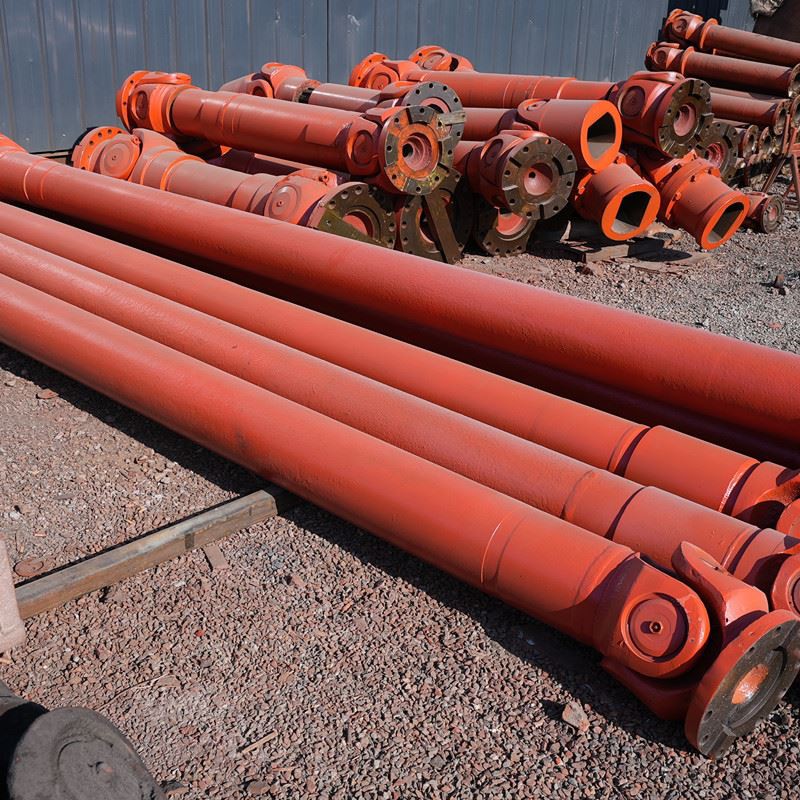

However, it's important to note that the stiffness of a coupling isn't the only factor that affects its performance. Other factors, such as the lubrication, the surface finish of the components, and the operating environment, also play a role.
In a dirty or harsh environment, for example, a coupling with the right stiffness may still experience premature wear if it's not properly protected. That's why we offer couplings with different levels of protection, such as sealed designs or coatings that can resist corrosion and abrasion.
We also take into account the cost - effectiveness of our couplings. While a stiffer coupling may offer better performance in some applications, it may not always be the most cost - effective solution. We work with our customers to understand their specific needs and budget, and then recommend the best coupling for their situation.
If you're in the market for a Cross Slider Coupling or any other type of coupling, we'd love to have a chat with you. Our team of experts can help you understand the different factors that affect coupling performance, and guide you through the selection process. Whether you're a small - scale manufacturer or a large industrial enterprise, we've got the knowledge and the products to meet your needs.
In conclusion, the stiffness of a Cross Slider Coupling is a critical factor that can significantly impact its performance. By choosing the right stiffness for your application, you can ensure efficient torque transmission, better dynamic performance, and longer service life. And as your trusted coupling supplier, we're here to help you make the best decision. So, don't hesitate to reach out and start a conversation about your coupling needs.
References
- Mechanical Engineering Handbook, Various editions
- Coupling Manufacturer's Technical Documents